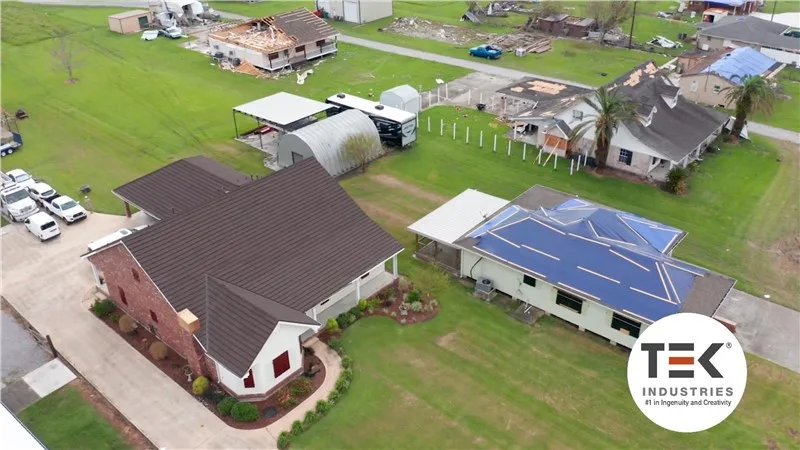
A roof can look normal from the driveway and still have damage after a strong storm. Wind may loosen attachments or flashing, hail may affect the roof surface, and water can find openings that stay hidden until a later rain. Some damage can be repaired. When problems are widespread, the roof is aging, or repairs cannot restore a reliable system, a full replacement may be the better long-term decision.
At TEK Industries, we believe homeowners should understand the difference before they spend money. A professional inspection, photos, and a clear explanation of the roof’s condition are the right starting points, not a guess based on the storm’s size.
Why storm damage can be hard to spot
Roofing is installed in layers, and most of those layers are invisible from the ground. The exposed surface might seem intact while a flashing joint has loosened or water has reached the underlayment. Wind-driven rain can enter around penetrations and take a winding path before it appears inside the house.
Hail damage can also be subtle. On asphalt shingles, impact may disturb protective granules or create cracks that are difficult to see from a distance. On metal, severe impacts can leave dents or damage a coating without causing an immediate leak. Tile can crack on a less-visible slope. None of these conditions should be diagnosed from the driveway alone.
Another problem is timing. A small opening may not leak during the first storm but can allow water to enter during a later storm from a different direction.
Signs that deserve a closer look
You may notice loose or missing roofing pieces, bent flashing, damaged ridge materials, debris impact marks, or gutters filled with unusual amounts of shingle granules. Inside, new ceiling stains, peeling paint, damp attic insulation, or musty odors can point to possible moisture intrusion.
Other clues come from the storm itself. Broken skylight covers, dented vents, damaged window screens, or large hail reported nearby may justify a roof inspection. These signs do not prove that the entire roof needs replacement, but they provide useful information for the inspector.
Avoid climbing onto the roof yourself. Wet roofing, loose panels, and steep slopes can make a serious fall more likely.
What a professional inspection should include
A qualified roofer should evaluate the roof covering, ridges, edges, valleys, flashing, penetrations, and roof accessories. They should check for water-entry paths and, when appropriate, look for moisture evidence in the attic or at accessible decking.
For metal roofing, the inspection may include checking panel connections, surface damage, and any manufacturer-approved repair options. For asphalt roofing, it may include examining shingle condition, seal tabs, impact marks, and how much useful life remains. A photo report should show what was found and explain which issues affect roof performance.
Do not confuse a free estimate with a complete diagnosis. Ask what was actually inspected, what could not be accessed, and what further work may be needed to confirm hidden problems.
When a repair is the right answer
A repair can be the sensible choice when the problem is limited, the surrounding roof remains in good condition, and the new work can be completed according to the manufacturer’s instructions and local requirements.
Examples include replacing an isolated damaged accessory, correcting a localized flashing problem, or repairing a small affected section when matching materials and approved methods are available. A sound roof should not be torn off simply because a storm passed through the neighborhood.
Ask for a written repair scope that identifies the affected area, explains the expected result, and notes any remaining concerns. Also ask what warranty, if any, covers the repair work.
When replacement may be the stronger choice
Damage is spread across large sections
If many roof areas have functional damage, piecemeal repairs can become difficult and expensive. Replacing only a few visible sections may leave other problems behind. A full replacement allows the installer to address the roof covering as one coordinated system.
The existing roof is near the end of its life
A storm can expose the weakness of an aging roof. If shingles are already brittle or the system has a history of leaks, paying for multiple repairs may provide only a short break before another project becomes necessary. The age and condition should be considered alongside the storm damage.
Decking or water protection is compromised
Water damage beneath the visible roof may call for removal of the covering so the affected deck and underlayment can be repaired. The need depends on the extent of damage, local code, and what the inspector can document. Replacing the outer roofing without fixing the materials underneath would leave an important problem unresolved.
Repairs cannot be completed correctly
Some materials become difficult to match. Certain roof designs or panel systems have connection details that make a limited repair impractical in a given location. If a repair cannot meet the product instructions or restore proper weather protection, replacement may be more dependable.
Repeated repairs cost too much
If the roof has needed work after several recent storms, compare the combined cost of repairs with the cost and expected lifespan of a replacement. A durable new roof may offer better value when the existing system is no longer dependable. The decision should still be made with actual estimates.
What replacement lets you fix that patching may miss
When a roof is removed, the contractor has an opportunity to inspect the deck, address damaged sections, and install a complete underlayment and flashing plan. They can pay attention to edges, ridges, valleys, and ventilation details that may have contributed to past problems.
That is one reason replacement can be more valuable than repeated patching for a worn or widely damaged roof. But it is not automatic: removal increases project cost and disruption, so the findings need to justify it.
If the property is in a high-wind region, ask about roof-deck attachment and water-resistant details that meet applicable local requirements. A new covering is most effective when the supporting system is sound.
What role does insurance play?
Insurance coverage depends on the policy and the cause and extent of damage. A roofer can document conditions and give a repair or replacement estimate; an insurance company determines what the policy covers. Do not assume that widespread hail in your area means your roof qualifies for a paid replacement.
Take photographs, save inspection reports, and notify your insurer according to your policy. If the adjuster’s findings differ from a contractor’s, ask for an explanation of the specific damage and scope being evaluated. Keep copies of the estimates and any claim communication.
Choose a contractor for the quality of the inspection and work, not a promise of guaranteed claim approval.
Replacing with a more durable roof
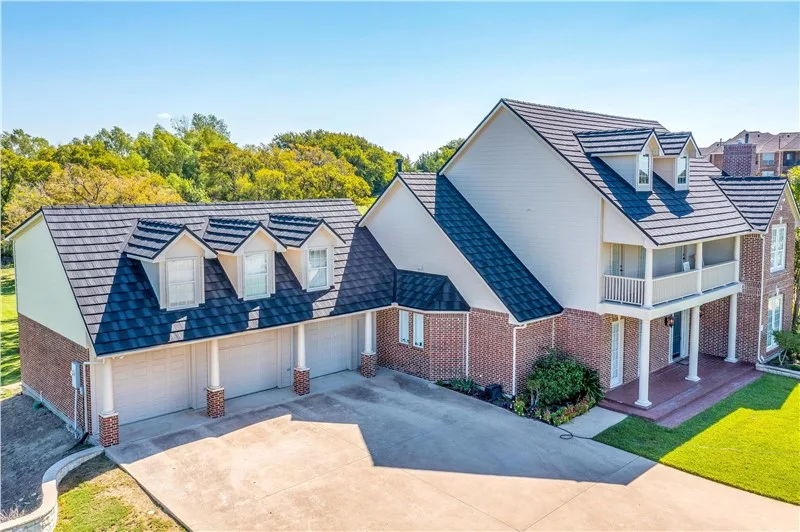
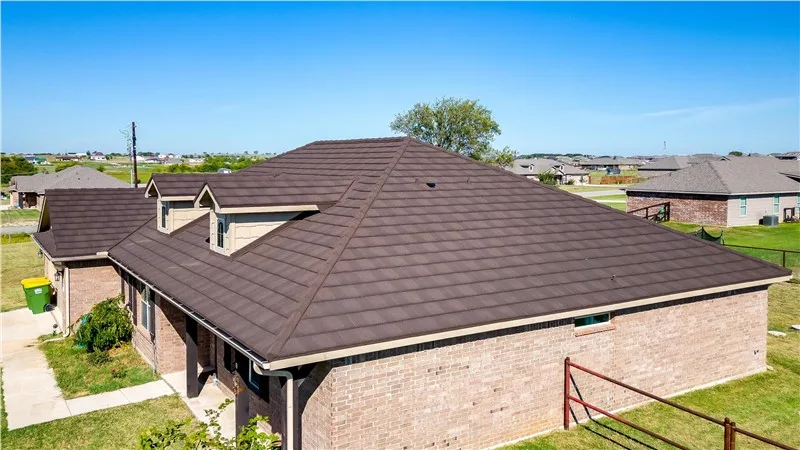
If replacement is necessary, consider whether the next roof should be built differently. TEK stone-coated steel gives homeowners the appearance of shingles, shake, or tile over a steel panel. We offer product options designed for harsh weather, including systems with Class 4 impact resistance and roofing for coastal markets.
The specific TEK profile should be selected for the house and local requirements. Ask about product approval, roof-deck condition, underlayment, fastening details, and the installer’s experience. In salt-air locations, a dealer can also explain whether the made-to-order Coastal Upgrade is appropriate.
A new roof can be a chance to improve long-term durability, but the installed system must still be cared for and inspected after major weather events.