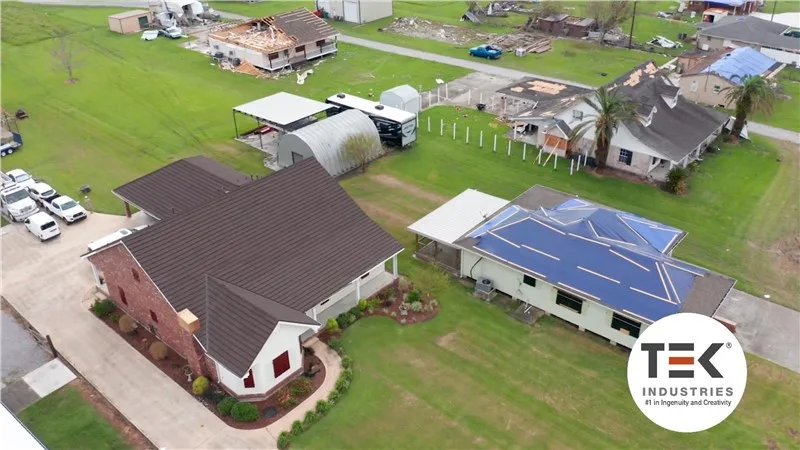
After a severe storm, put safety first, document visible damage, stop active water from causing more harm when it is safe to do so, and contact your insurance company if you believe the loss may be covered. Then arrange a qualified roof inspection before deciding on repairs or a full replacement. Moving in the right order can protect your home and help you avoid costly mistakes.
At TEK Industries, we manufacture stone-coated steel roofing for demanding weather. We also work with authorized dealers who understand the importance of a careful inspection. Here is a practical plan for homeowners dealing with hail, high winds, fallen debris, or storm-driven leaks.
Step 1: Make sure your home is safe
Do not head onto the roof to look for missing shingles or dents. A damaged roof can be slippery, unstable, or surrounded by downed power lines and loose branches. If you see a fallen electrical line, keep away and contact the utility or emergency services. If you suspect structural damage, leave the affected area and follow local emergency guidance.
Inside the house, stay clear of sagging ceilings, standing water near electrical equipment, and damaged framing. If a room is unsafe, do not enter it simply to photograph a stain. An emergency repair is never worth risking an injury.
When conditions are safe, walk around the property at ground level and look for obvious problems. Do not climb a ladder during high winds, rain, or lightning.
Step 2: Take photos before cleanup
Photograph the areas you can safely see. This may include loose roofing in the yard, damaged gutters, fallen branches, broken skylights, or water marks inside the house. Wide photos can show the location of damage, while close-ups can document details.
Keep the date of the storm, a short description of what happened, and a list of damaged items. Save receipts for emergency supplies, temporary repairs, and related expenses. If something must be removed to protect health or safety, photograph it first when possible.
Good records help you explain the situation to the roofer and insurer. They also reduce confusion if several people inspect the property over the next few weeks.
Step 3: Prevent more water from getting inside
If water is entering the home, move belongings away from the wet area when it is safe. Catch drips in containers and protect furniture and floors. A qualified professional may need to install a temporary tarp or complete another emergency repair.
Keep receipts and photos. In many insurance situations, homeowners are expected to take reasonable steps to reduce further damage. That does not mean you should start a major roof replacement before the insurer has had an opportunity to review the loss. Ask your insurance company how to handle emergency work and documentation.
Do not apply random coatings or sealants to a metal roofing system without checking the product instructions. An unsuitable repair can damage finishes or create future problems.
Step 4: Report possible covered damage to your insurer
Review your policy and contact your agent or insurer promptly when you believe you have storm damage. Ask about the deductible, claim deadlines, documentation, and next steps. Wind, hail, and flood damage may be treated differently under a policy, and coverage varies by location and contract.
You are responsible for understanding your policy. A roofing contractor can explain roof conditions and provide repair estimates, but the insurance company determines coverage under the policy. If an adjuster is assigned, keep their contact information and note the date of any inspection.
If you live in an area with special storm-related deductibles or claim rules, ask your agent how they apply to your situation.
Step 5: Arrange a professional roof inspection
A thorough inspection looks beyond the most obvious missing roof material. The roofer should evaluate visible surfaces, edges, ridges, flashing, roof vents, skylights, penetrations, and any signs of leaks. Where appropriate and safe, they may also assess attic moisture or roof decking.
Ask for a written description of findings with photos. The report should explain what is damaged, what appears functional, and why a particular repair is recommended. If the roof is metal, the inspector should understand that product’s connections, protective finish, and manufacturer repair instructions.
At TEK, our dealer network helps homeowners evaluate roofing options and obtain project-specific estimates. If you have an existing TEK roof, tell the inspector the profile and provide any warranty documents you have.
Step 6: Understand repair versus replacement
A damaged roof does not always need to be replaced. A small area with localized damage may be repairable when the roof system around it remains sound. A roofer may replace specific components, address flashing, or complete an approved panel or shingle repair.
Replacement becomes more reasonable when damage covers a large portion of the roof, the decking has been compromised, the existing material is near the end of its life, or a patch cannot restore the roof to an acceptable condition. Code requirements, product availability, and the roof’s design also affect the decision.
Ask the contractor to explain both options when both are feasible. The recommendation should follow documented conditions, not pressure to sign the most expensive contract.
Step 7: Protect yourself from storm-chasing scams
After major weather events, homeowners may be approached by contractors who promise instant insurance approval, insist on a deposit before an inspection, or say they can “take care of” your deductible. Be cautious of anyone who asks you to sign over claim rights without explaining the consequences.
Check licensing requirements in your area, insurance information, local references, and the proposed scope of work. Get written estimates. Confirm who will supervise the installation, how changes will be approved, and how the company handles warranty service.
In Texas, for example, contractors generally cannot legally offer to waive a property insurance deductible. Other states have their own rules. If something sounds too easy, verify it with your insurer or state insurance department.
What if you cannot see any roof damage?
The absence of missing shingles or a ceiling leak does not prove the roof is fine. Hail can damage roofing surfaces or accessories without leaving an obvious sign from the street. Wind may loosen edge materials, flashing, or fasteners. Water entry can also be delayed.
If your neighborhood experienced significant hail or high winds, a professional inspection can give you a clearer picture. That does not mean every home needs an insurance claim or a new roof. It means you will have evidence to guide the next decision.
Should you upgrade roofing materials during replacement?
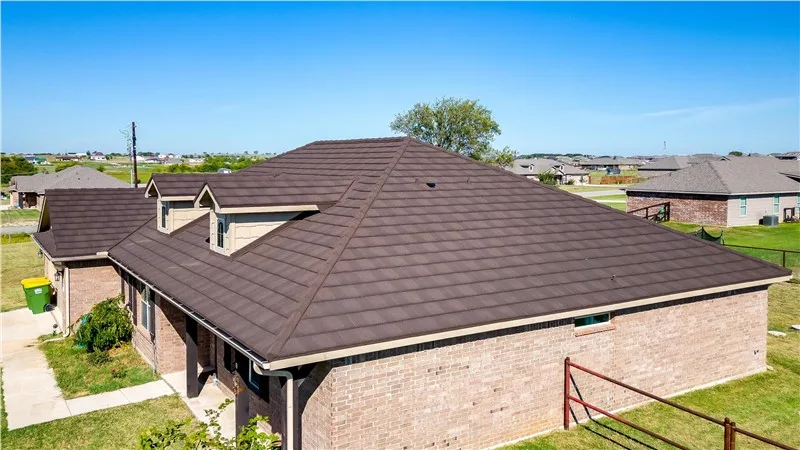
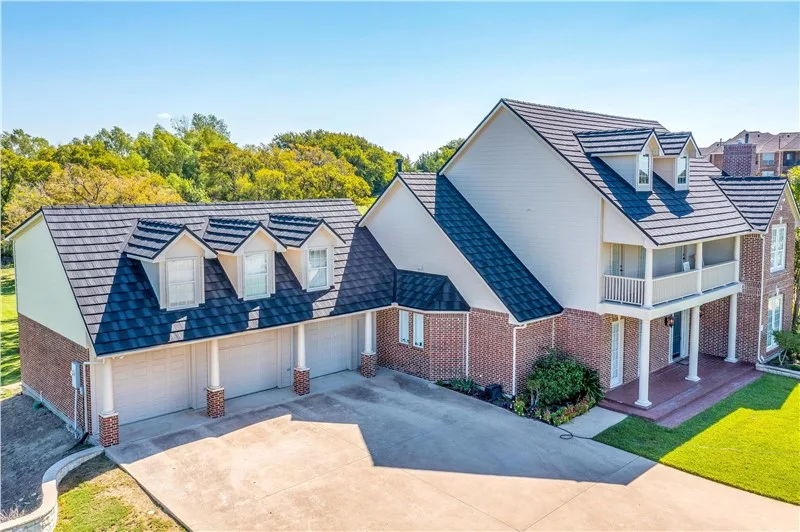
If a full roof replacement is necessary, it can be a good time to consider more durable materials. TEK stone-coated steel roofing offers traditional shingle, shake, and tile looks, with product options designed for severe-weather regions. Some TEK systems have Class 4 impact ratings, and authorized dealers can explain suitable installation details for your location.
A replacement project is also the time to address roof-deck condition, underlayment, flashing, and ventilation. The new covering should be part of a complete roofing plan rather than an isolated material upgrade.